%20(1).avif)



Legacy data systems weren't architected for today's scale and velocity. When a schema changes in your source system, legacy architectures rely on downstream teams to discover the break, often after dashboards fail, pipelines crash, or business decisions are made on stale data. This reactive pattern damages trust across the organization and creates technical debt that compounds with every new integration across siloed systems.

The core problem isn’t the introduction of new technologies, but the root cause of data incidents: poor change management and lack of upstream visibility across the data flow. The question is whether you'll fix the underlying disconnect or simply recreate old problems in a new data architecture.
What is data modernization, and why does it matter?
Data modernization is the strategic transformation of legacy data ecosystems to support modern business velocity, data-driven decision-making, and operational efficiency while preventing the failures that cascade into system-wide outages. A successful data modernization initiative goes beyond swapping in cloud warehouses or analytics platforms. It redesigns how data flows, transforms, and gets validated across datasets.
Enterprise data systems now operate at a velocity that legacy architectures fundamentally can't support. When engineering teams ship changes daily, your data infrastructure needs controls that prevent breaks before they spread. Without modernization, engineering velocity increases while your ability to manage data quality degrades.
A recent systematic review of data modernization programs by Zeba et al. shows that successful initiatives combine clear ownership, validation at the data source, and defined data governance frameworks. Programs focused only on technology replacement tend to recreate the same failures in new infrastructure.
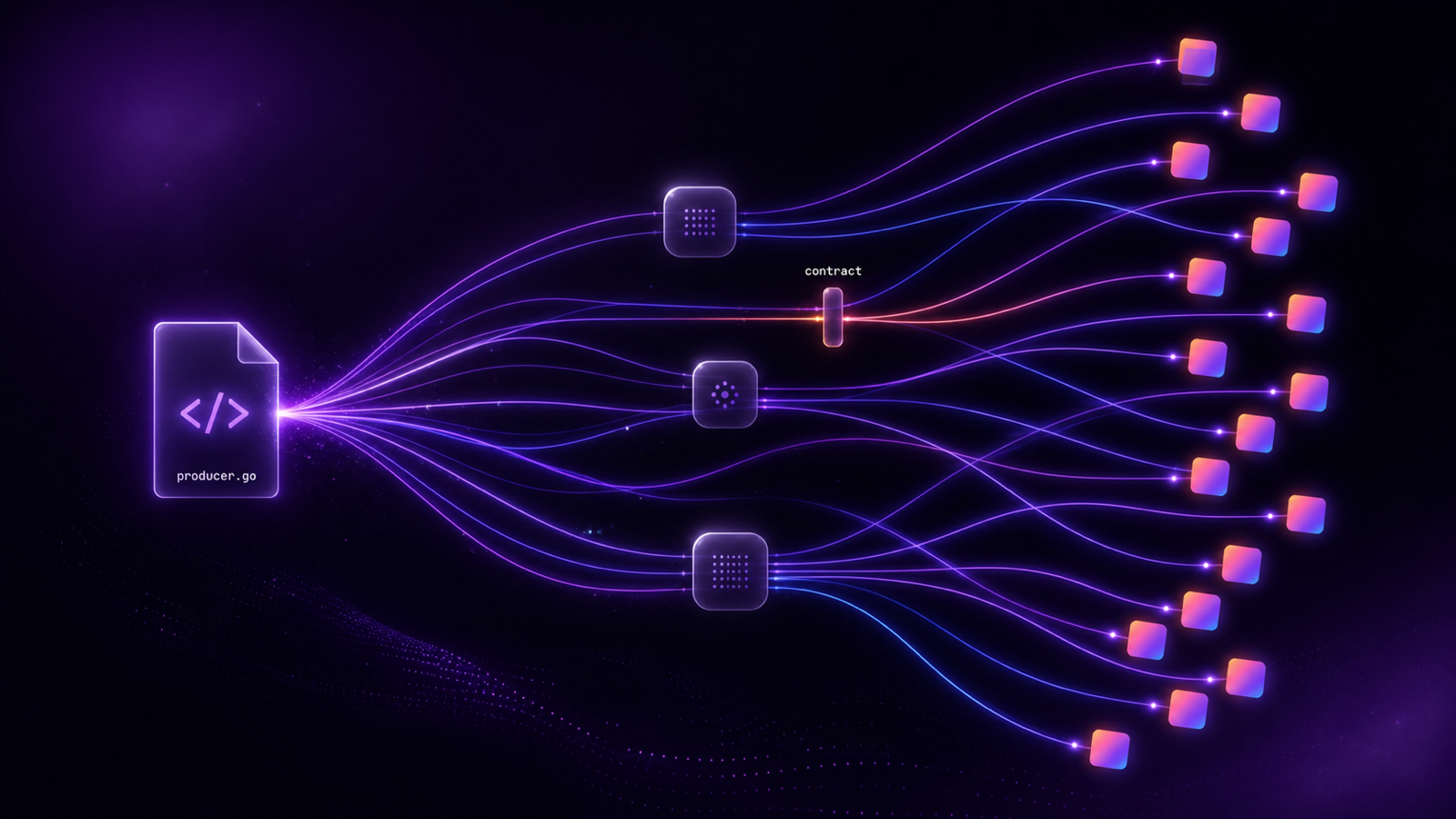
Data contracts make these requirements enforceable. They provide a way to define ownership, validate changes at the source, and embed governance directly into how data assets are produced, processed, and shared across teams and systems. Unlike greenfield projects, where simplicity often wins over best practices, modernization efforts carry the organizational context and documented pain points to justify doing it right.
When should you modernize your data infrastructure?
To know when it's time to modernize, assess technical debt against business impact on decision-making and customer experiences. If schema changes routinely break pipelines, your team spends more time firefighting than building, or compliance audits reveal data lineage gaps, you're already paying the modernization cost in lost productivity and eroded trust.
The initiative becomes urgent when your current systems prevent you from enforcing data contracts at the source, and these failures translate into measurable business harm and loss of competitive advantage.
Technical debt indicators that signal modernization need
- Schema drift and breaking changes: When unmanaged upstream schema changes cause downstream failures, teams are forced into a reactive firefighting mode. This is a clear sign your architecture lacks the necessary change management controls.
- Manual dependency mapping: If your team relies on spreadsheets or tribal knowledge to track data lineage, you have significant architectural debt. Every change becomes a high-risk guess because you don’t automate lineage tracking in the way modern systems do.
- Increasing incident frequency: Recurring data quality issues, duplicates, and inconsistent formats are a symptom of system failure, not team failure. When downstream monitoring repeatedly catches the same problems, it proves the root cause is upstream and that you lack the visibility to prevent breaking changes before they propagate.
- Compliance and governance gaps: Your system has critical governance gaps if it cannot answer basic questions about data ownership, SLAs, or origin. Legacy architectures create an ambiguity that is unacceptable for modern compliance and regulatory requirements.
These failures aren’t just operational noise. They have real commercial impact.
Forrester’s Data Culture and Literacy survey found that more than a quarter of data teams lose over $5 million every year due to poor data quality.
Business impact assessment framework
Before committing resources to data modernization, you need a clear framework for quantifying business risk and justifying the investment. To do this, translate technical debt into business impact across key functions: revenue risk, compliance exposure, and competitive velocity.

Use the following framework:
- Map data incidents to business outcomes. Start by tracking data quality failures over the past 12 to 18 months and connecting them to their downstream effects: delayed product launches, incorrect financial reporting, lost customer trust, or regulatory near-misses.
- Quantify the cost of poor change management. Calculate the engineering hours spent debugging schema changes that broke downstream pipelines. These incidents erode trust between data producers and consumers, creating organizational friction.
- Evaluate opportunity cost. Identify what strategic initiatives you are delaying because your data infrastructure can't support them. When business leaders ask for real-time data analytics, artificial intelligence, or machine learning features, does your team respond with months-long estimates because the underlying systems can't handle the velocity?
This assessment framework provides the business case for modernization as a strategic investment to prevent upstream failures that cause measurable business harm.
How to develop a data modernization strategy and planning framework
Data modernization is a strategic transformation that requires deliberate planning to avoid recreating the same upstream failures in new infrastructure. The most successful modernization initiatives start with a framework that addresses both technical architecture and organizational accountability, particularly around change management and data contracts.
Legacy system analysis and value mapping
Before migrating, analyze your legacy systems, data warehouses, and data lakes by mapping which components create business value versus which ones introduce risk. Trace data lineage to uncover hidden dependencies and pinpoint the sources of upstream failures. Most data incidents start in source systems or early transformations, but legacy architectures obscure these first-mile problems.
Crucially, this analysis must also map the ownership and accountability gaps that make change management impossible. Modernization is your opportunity to establish clear data ownership from the start, creating a foundation that prevents the disconnect that plagued your old infrastructure.
Lift-and-shift vs. refactoring vs. rebuilding
Your modernization approach determines whether you prevent upstream failures or simply replicate legacy problems in new infrastructure. The three primary strategies each carry different implications for change management, data contracts, and long-term system reliability:
- Lift-and-shift: Moves existing systems to modern infrastructure with minimal code changes. This approach delivers the fastest data migration timeline and lowest immediate cost, but it preserves the technical debt and poor change management practices that caused failures in your legacy system. You gain infrastructure benefits like scalability and reduced maintenance overhead without addressing the root causes of data quality incidents.
- Refactoring: Modernizes code and architecture while maintaining core business logic. This middle-ground approach lets you implement proper change management and data contracts during migration without starting from scratch. You can introduce shift-left practices, like validating schema changes before they reach production, while preserving institutional knowledge embedded in existing systems.
- Rebuilding: Creates new systems from the ground up, offering the cleanest slate for implementing modern data practices. You can architect proper change management and establish data contracts as foundational requirements. However, rebuilding carries the highest risk and longest timeline.
Most enterprises benefit from a hybrid approach: rebuild high-impact, frequently-changing systems with proper contracts, refactor stable systems with known pain points, and lift-and-shift low-risk legacy components.
Risk assessment and mitigation planning
Modernization carries risk because legacy systems hide dependencies and undocumented logic. Without a structured approach, migrations fail in ways that disrupt operations and erode trust.
To manage this risk, you need to focus on three areas:
- Map failure scenarios across key dimensions. Identify technical risks (schema incompatibilities, data loss, and data privacy risks), operational risks (knowledge gaps, rollback complexity), and business risks (revenue impact, compliance violations) to understand the full blast radius of potential failures.
- Define ownership and enforce validation during migration. Assign clear responsibility for data changes and validate outputs in parallel against legacy systems to catch issues early.
- Define recovery plans with measurable triggers. Establish thresholds for data quality, system performance, and data security that trigger recovery actions, and document exact recovery steps before migration begins.
Prevention, not recovery, determines whether modernization reduces risk or simply moves it elsewhere.
Data modernization implementation best practices
Too many modernization efforts replicate the reactive patterns that plagued legacy systems: downstream monitoring, incident firefighting, and change management as an afterthought. Successful teams use modernization to build prevention directly into their new architecture, embedding data contracts and upstream change controls from the start.
Phased migration strategies and rollback planning
Modernization failures often stem from treating migration as a single, high-stakes cutover. A phased approach de-risks the process by allowing you to validate assumptions at each stage and maintain rollback capability when upstream changes break downstream dependencies.
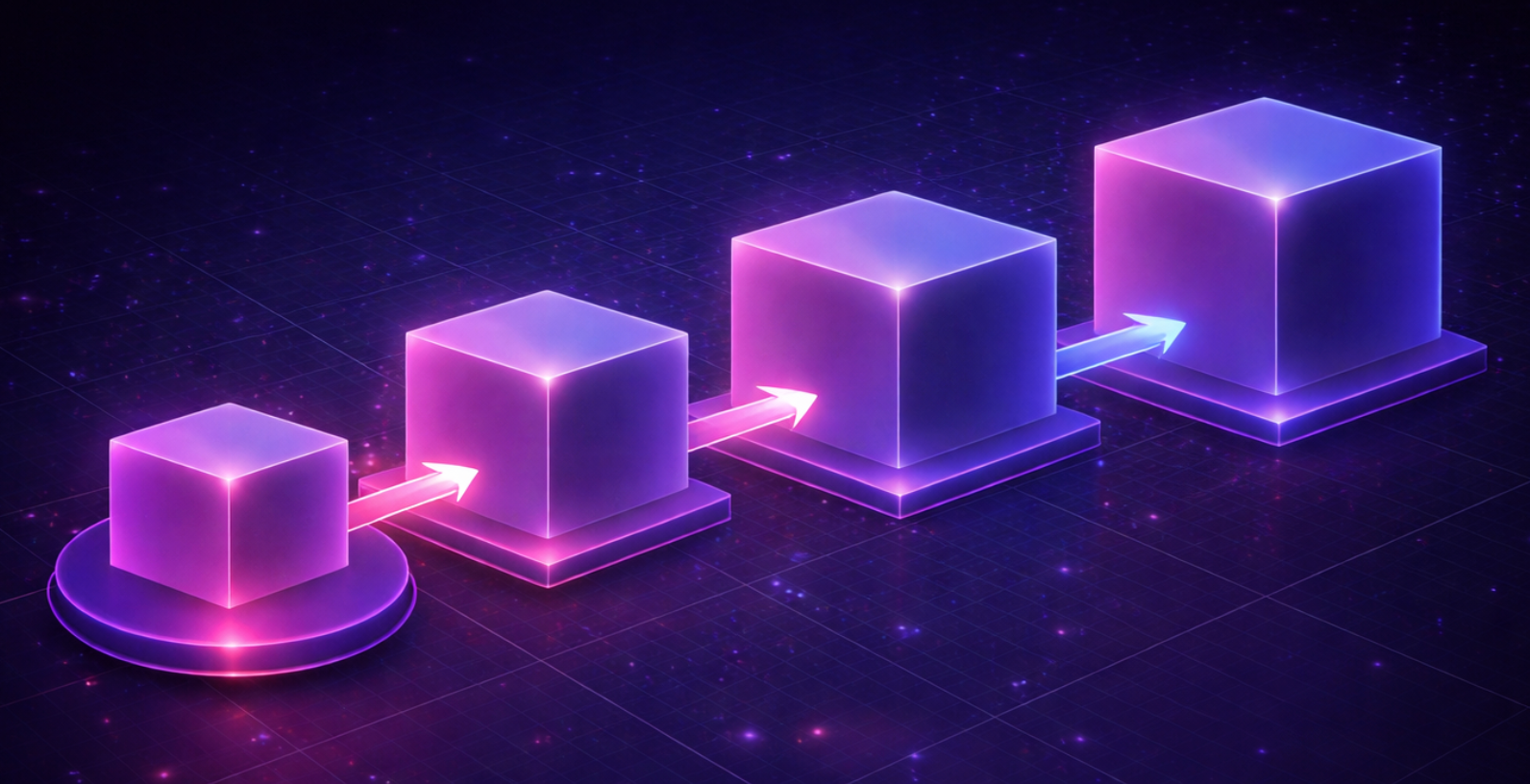
Implement a phased migration by following these steps:
- Isolate and migrate low-risk domains first. Start with data domains that have clear ownership, stable schemas, and few downstream consumers. This allows you to test your migration process, streamline execution, and build momentum with a contained blast radius.
- Establish data contracts before migration. Make data contracts a prerequisite for migration. This forces upstream accountability and prevents you from inheriting undocumented assumptions or breaking changes that cause incidents in your legacy systems.
- Define explicit rollback triggers. Build your safety net before you need it. For each phase, define quantitative data-quality thresholds that trigger automatic rollback, set time-based checkpoints for go/no-go decisions, and document the exact procedures for restoring the legacy system.
This approach reduces migration risk by making validation and accountability part of the process, not something applied after the fact.
Data quality and governance during transition
The transition period is your opportunity to implement prevention-focused governance before technical debt accumulates in your new environment. Focus on these core practices:
- Enforce upstream accountability. Require data producers to define schemas, formats, and validation rules, to document breaking changes, and to commit to notification protocols before their data enters the new system. Without clear ownership and enforceable expectations, you are simply migrating technical debt.
- Validate with parallel runs. Run dual systems and validate data against contracts in both the legacy and modern environments. This process reveals where legacy assumptions break under modern velocity and highlights which upstream teams need support adopting new change management practices.
- Maintain clear ownership. Assign specific teams the responsibility for contract maintenance throughout the transition. When ownership blurs between legacy and modern systems, no one is accountable for validating changes, and data quality degrades.
- Prioritize accountability over cataloging. Your governance model must establish clear ownership and notification channels to prevent breaks, not just document what broke after the fact. When an upstream schema change happens, the goal is prevention, not forensics.
Building long-term success with modernized data systems
Your data modernization efforts only work when they change the way your organization handles data ownership and change. Without that shift, new infrastructure just moves existing problems faster.
The teams that get this right treat data validation and accountability as part of development workflows, not as downstream tasks. They make producers responsible for the impact of their changes and enforce those expectations in code. That’s what turns modernization from a migration into a durable operating model, unlocking the full benefits of data modernization.
If you're building toward that model, the next step is putting those controls into practice. Gable helps teams define, enforce, and test data contracts directly in application code, so breaking changes are caught before they reach production.
Get started with Gable to see how upstream data contracts work in practice.

Gable
April 27, 2026

.avif)
.avif)